Cazorla and Mojacar
April 20, 2015
We have managed to kill off two weeks here in Spain while we waited for our Swedish friend Orvar to start heading south to meet us.
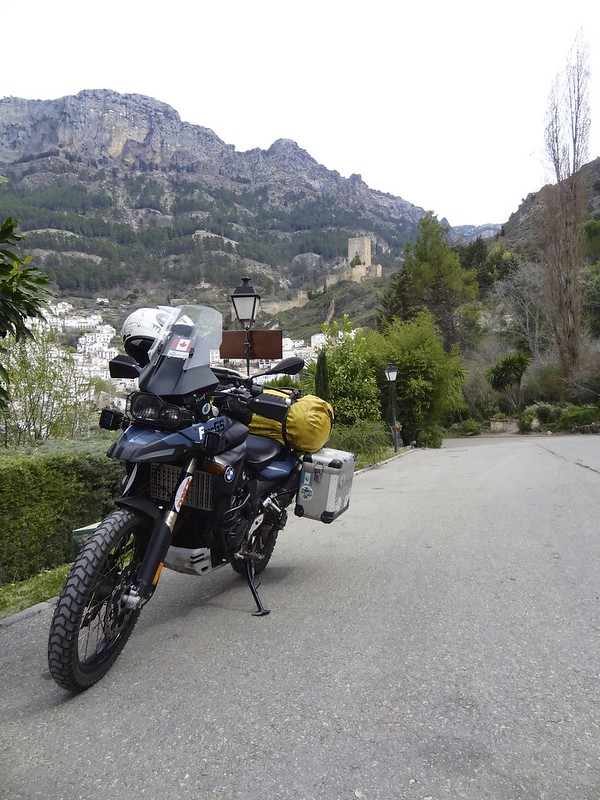
We will tour the south of Spain until he catches up. Today we rode back 200 km to La Solana on the highway and then on the secondary roads to Cazorla in another 155 km.
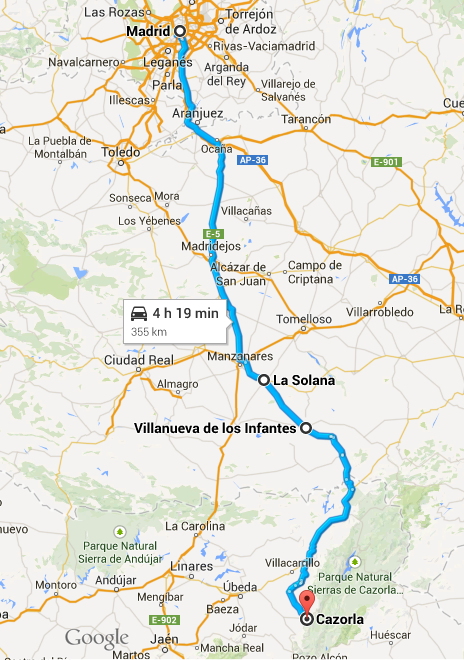
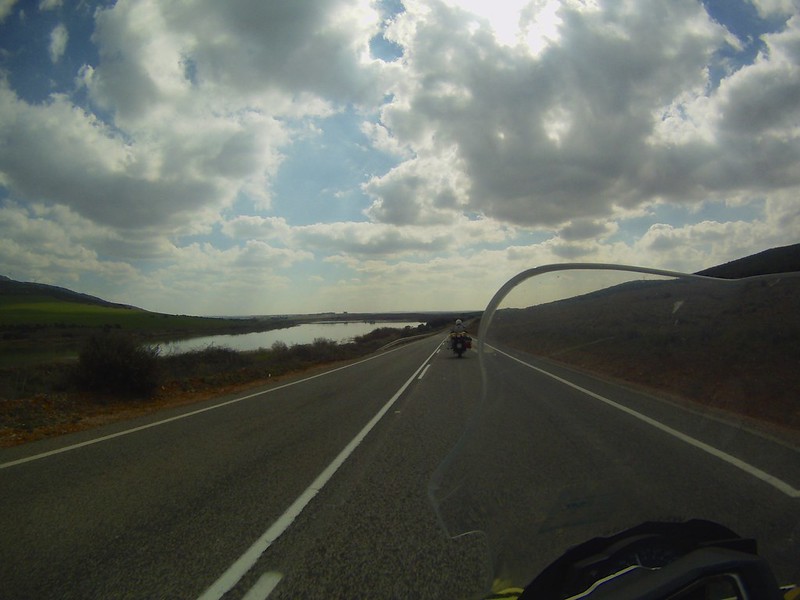
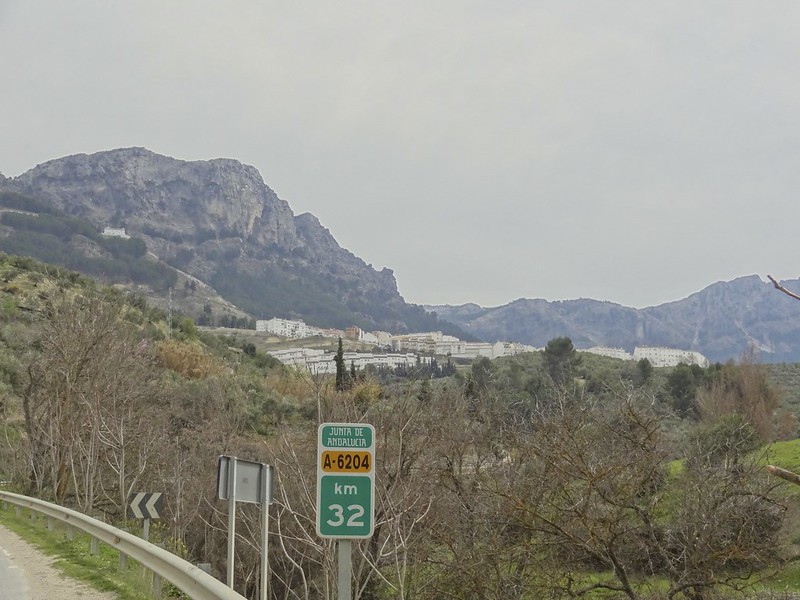
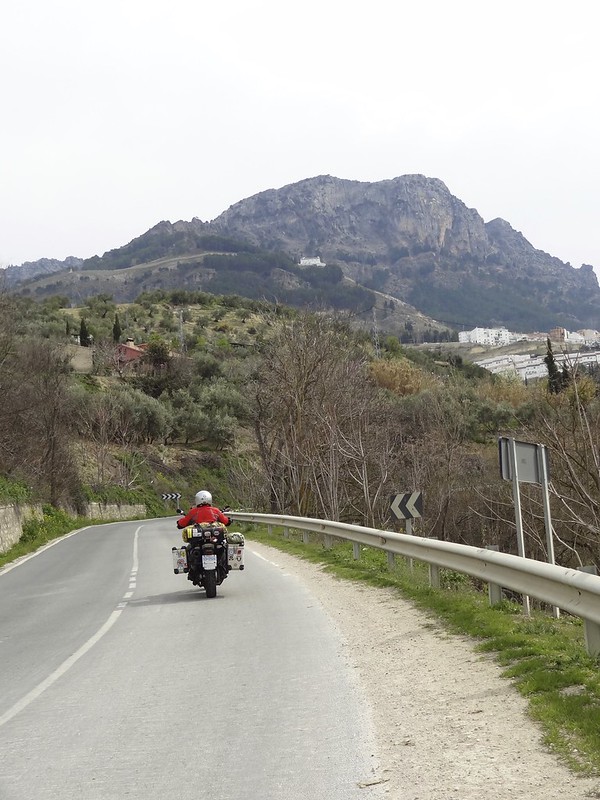
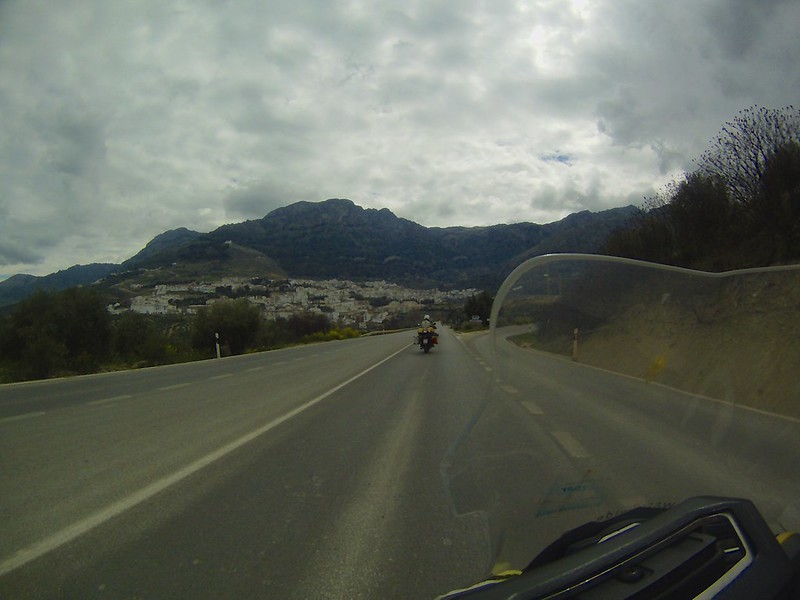
This route was over the mountains thru quaint villages and on curvy mountain roads.
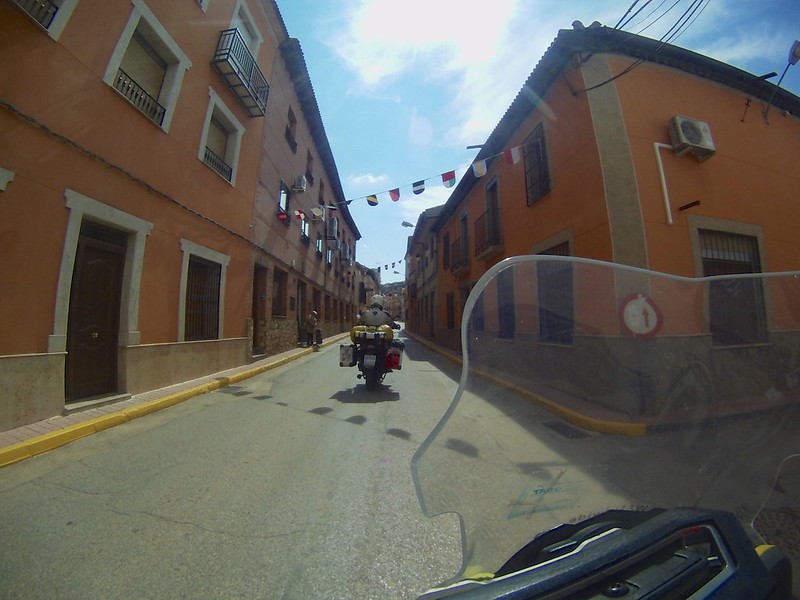
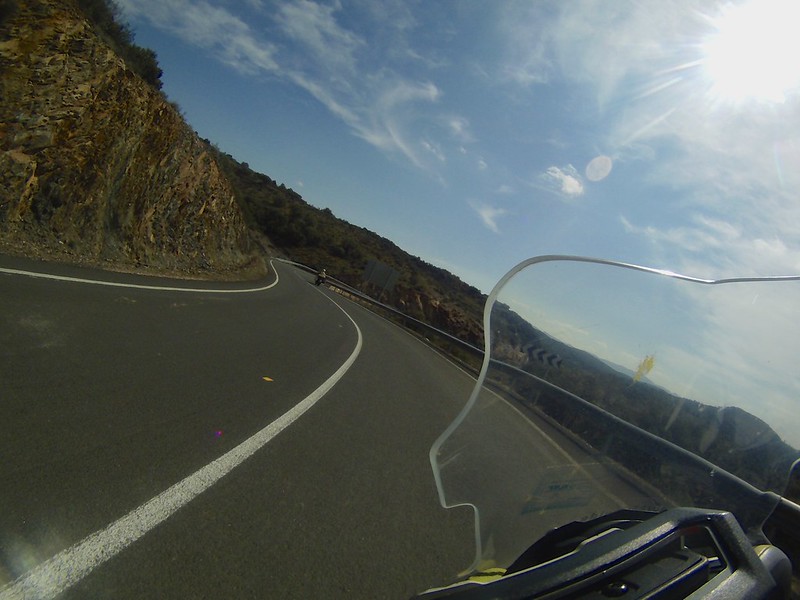
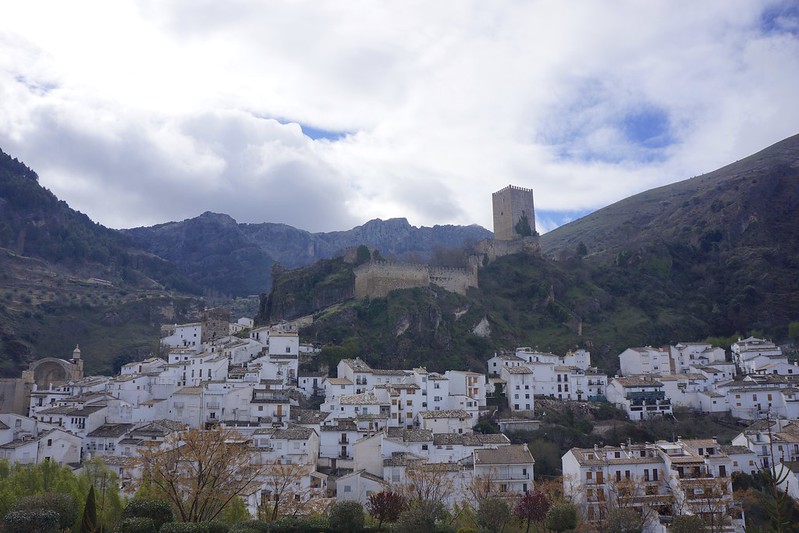
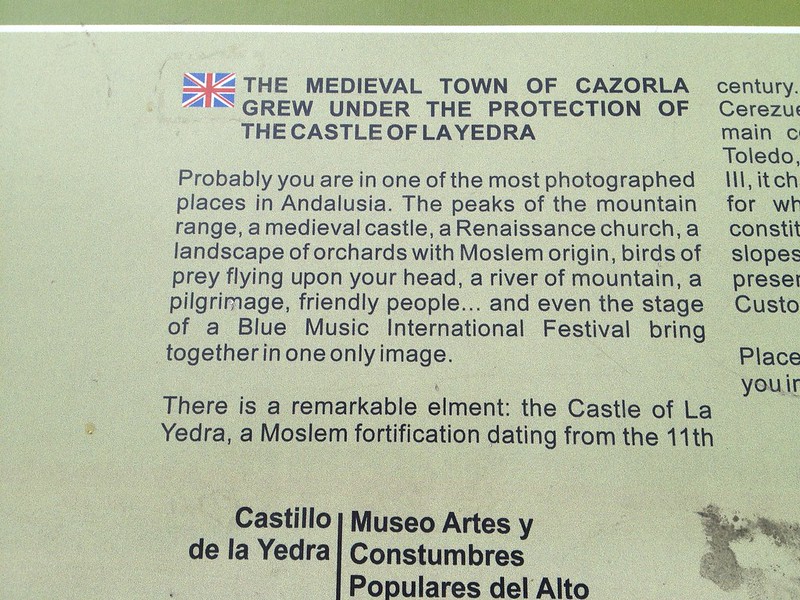
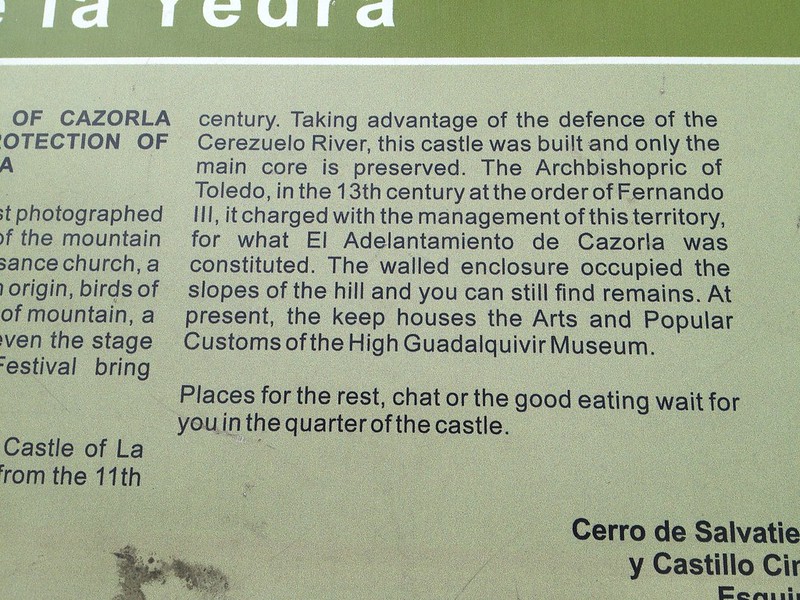
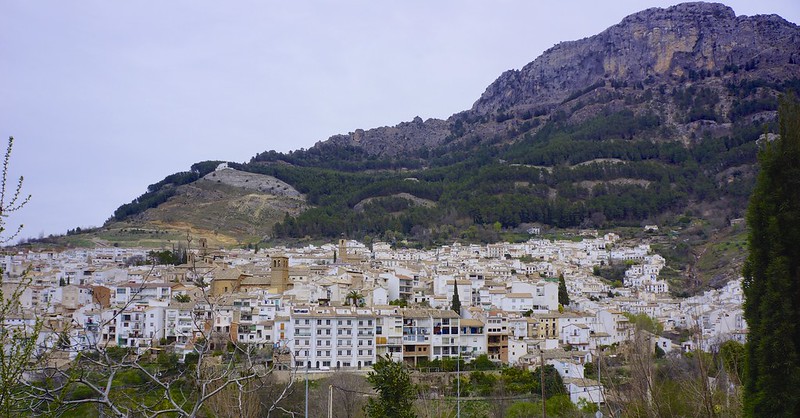
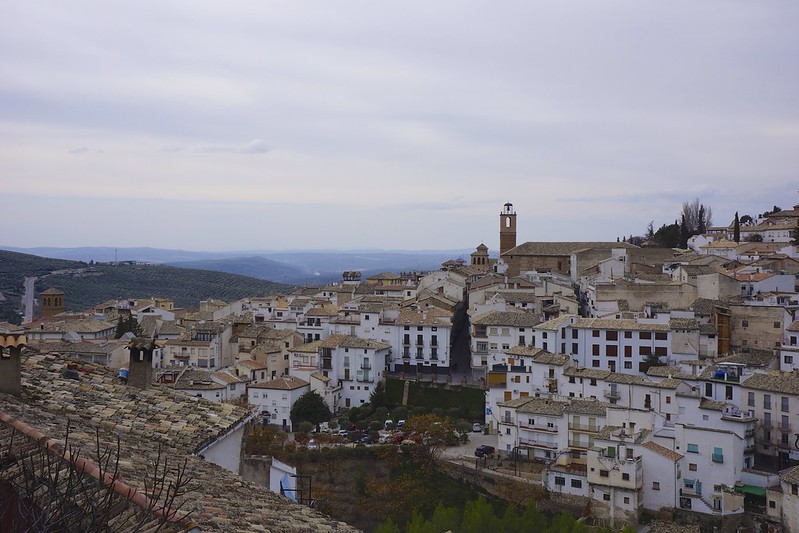
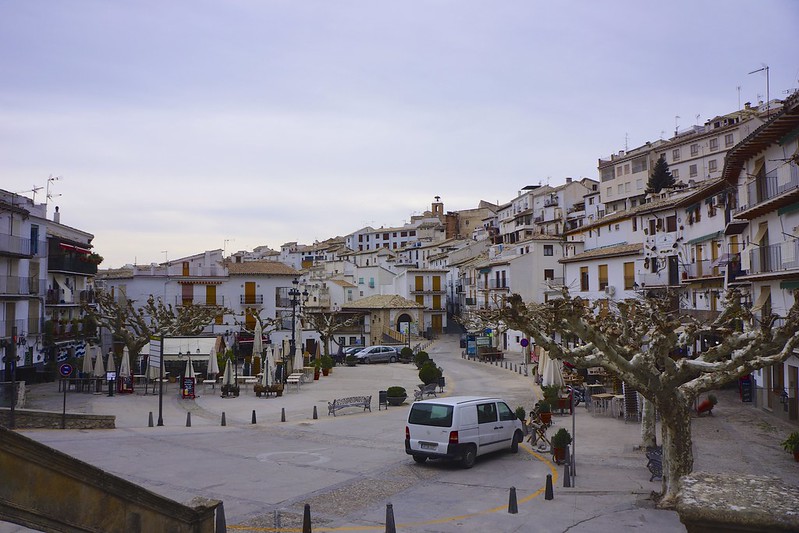
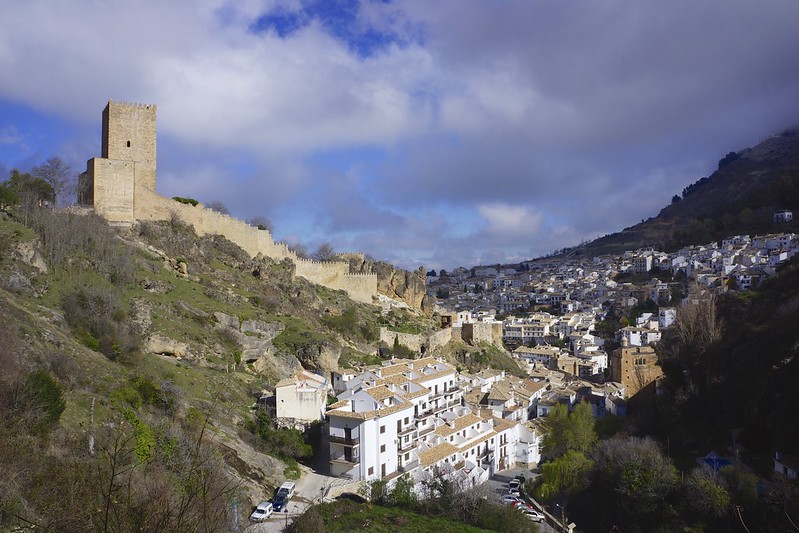
Cazorla is a village with a history going back more than 2000 years. This was once a Roman town called Carcacena. Here lived once one of the first Bishops of Christian Spain. The Moors used this strategic local as one of the fortresses guarding the mountains. This stronghold was finally taken in 1235 during “the reconquista” by Christian troops.
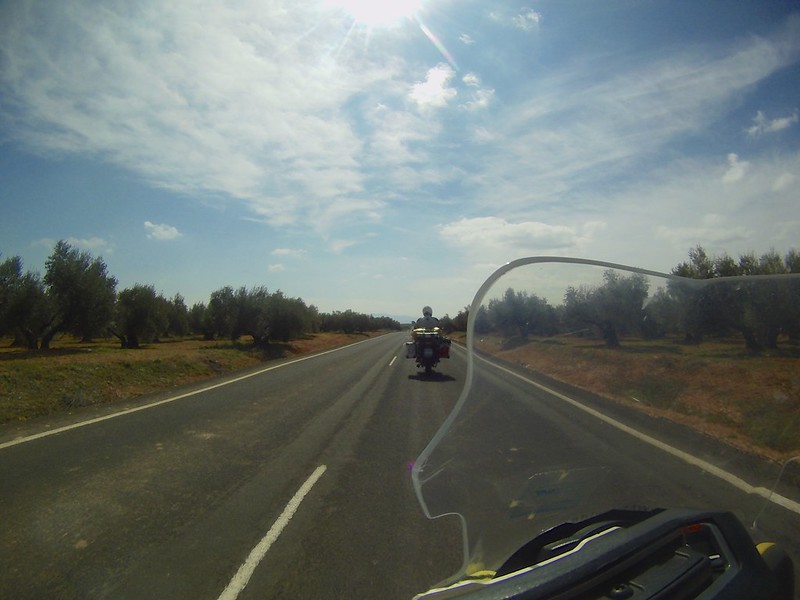
Riding here you go past thousands of acres of olive trees and you can clearly smell the ripening fruits.
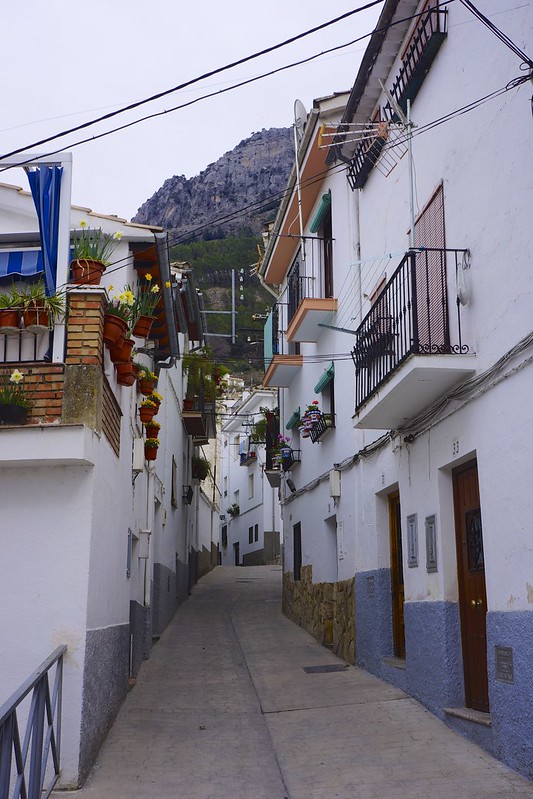
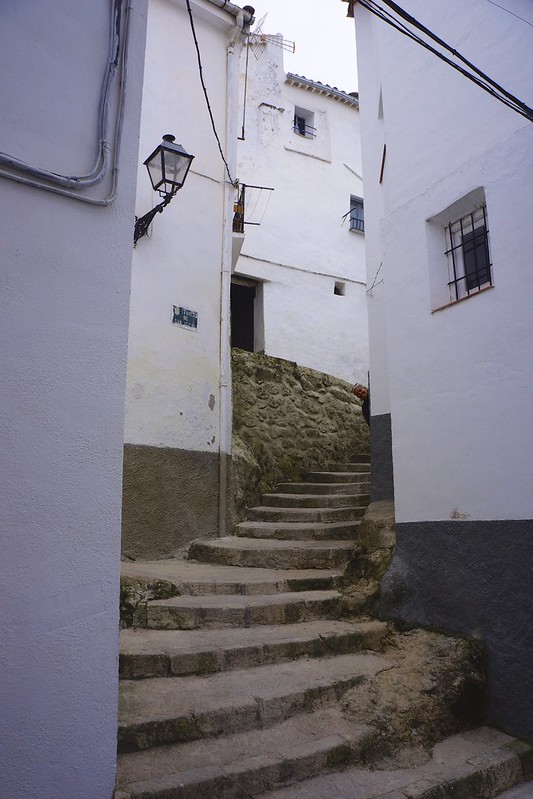
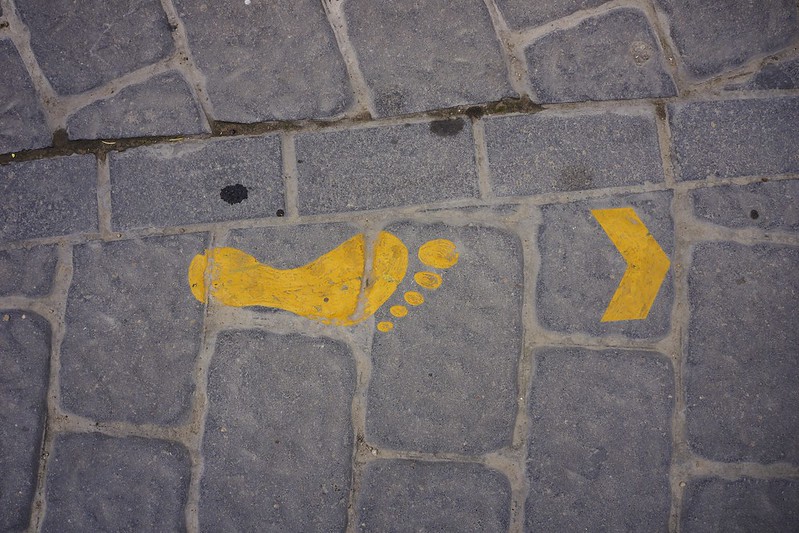
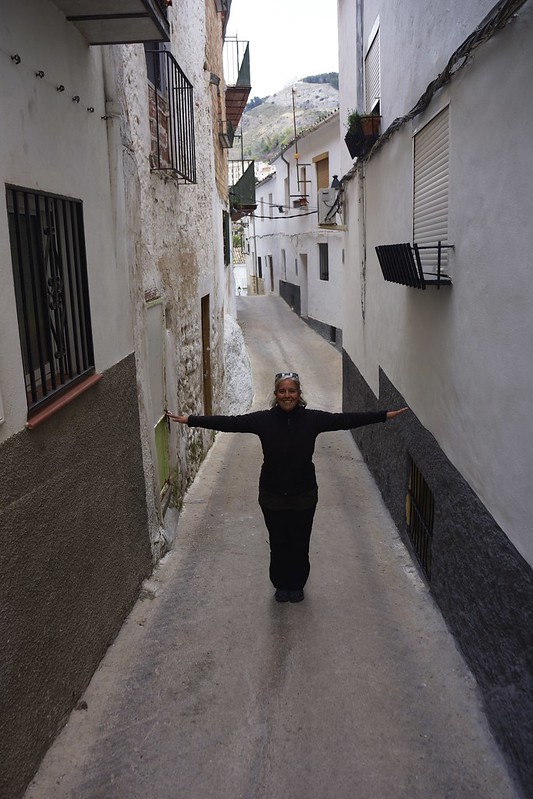
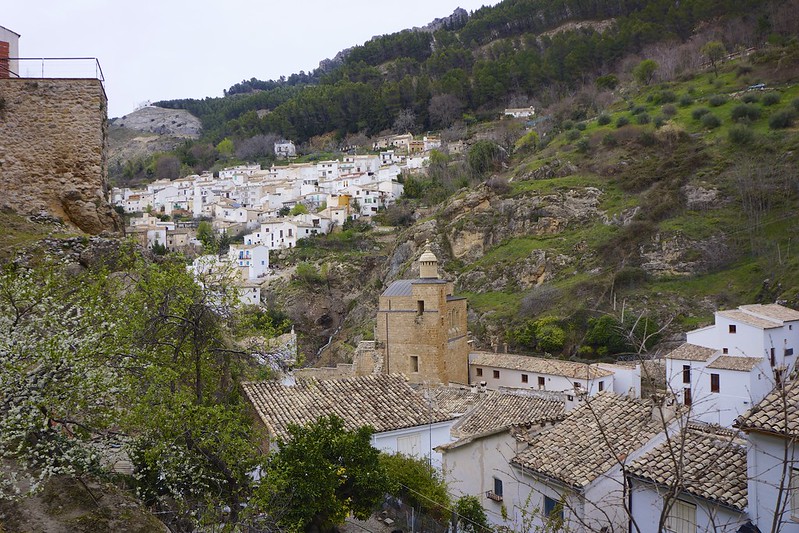
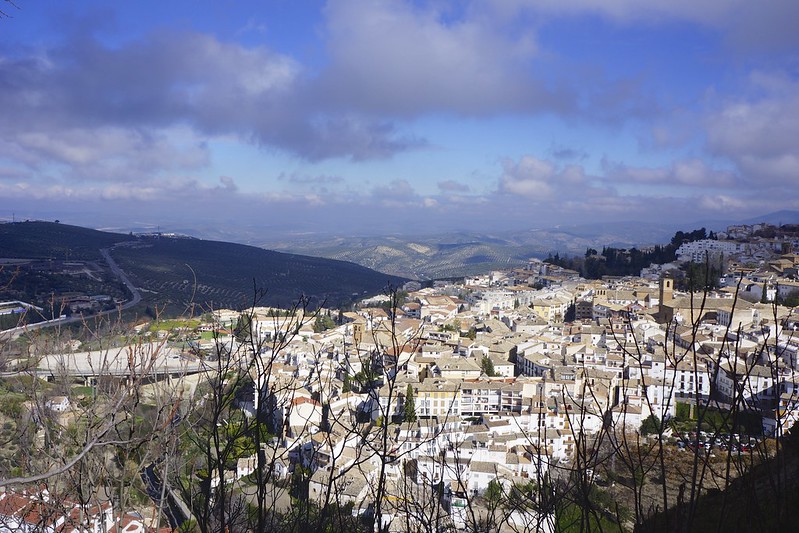
The town is a maze of very narrow “streets” lines with whitewashed houses and buildings. Since the village is on a hillside there are many steep roads and also stairways crisscrossing it. To keep the tourists from getting lost there is a path marked out on a route thru the main plazas. From the town there are a number of “caminos” or pilgrim walks/hikes into the mountains.

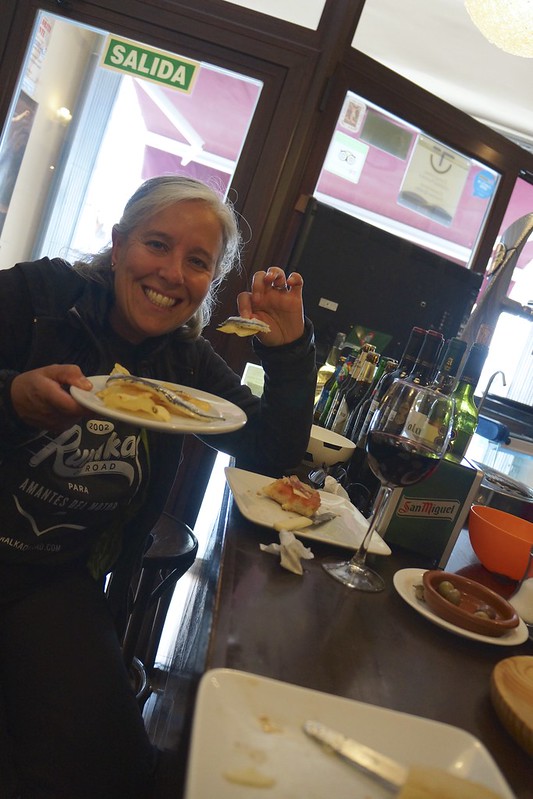
On the main square we stopped into a café for a drink and a snack. One of the tapas that came with the wine was a potato chip with pickled fish…wow delicious.
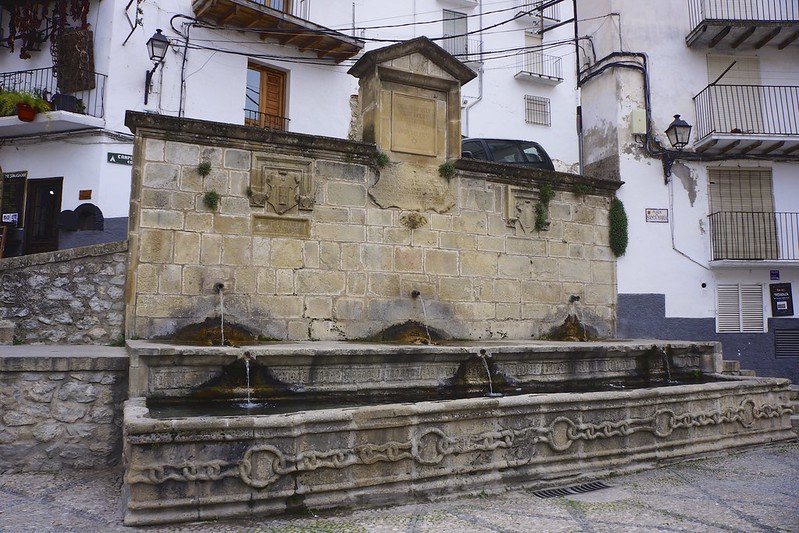
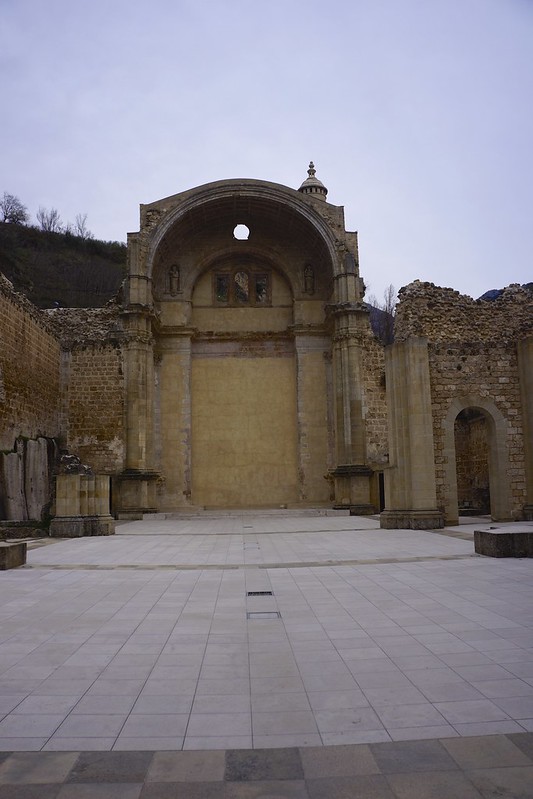
Also on the square is a fountain and a church ruins from the 13 Th century.
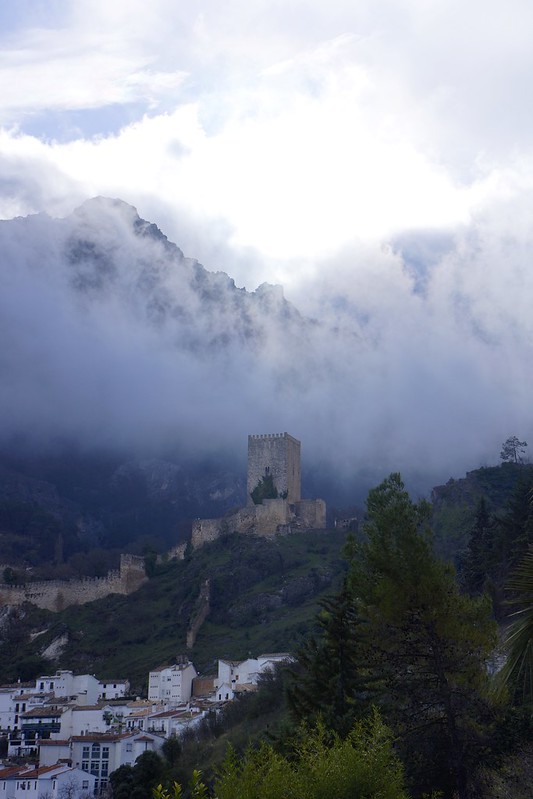
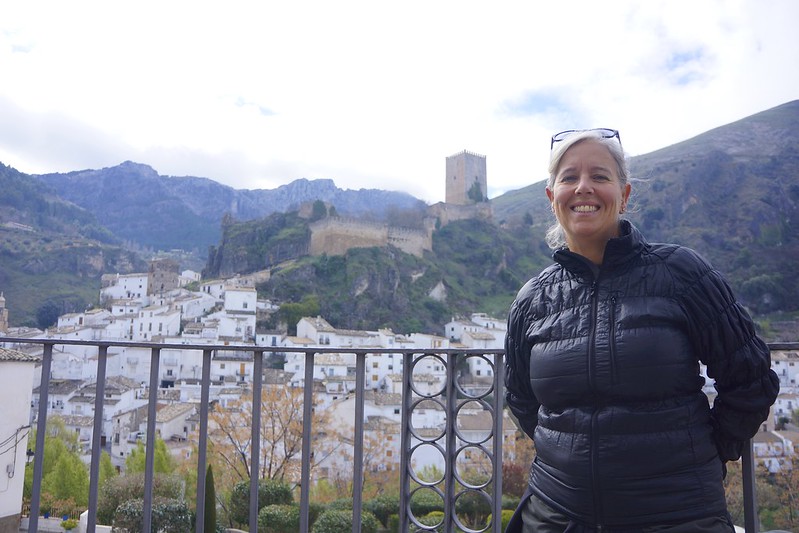
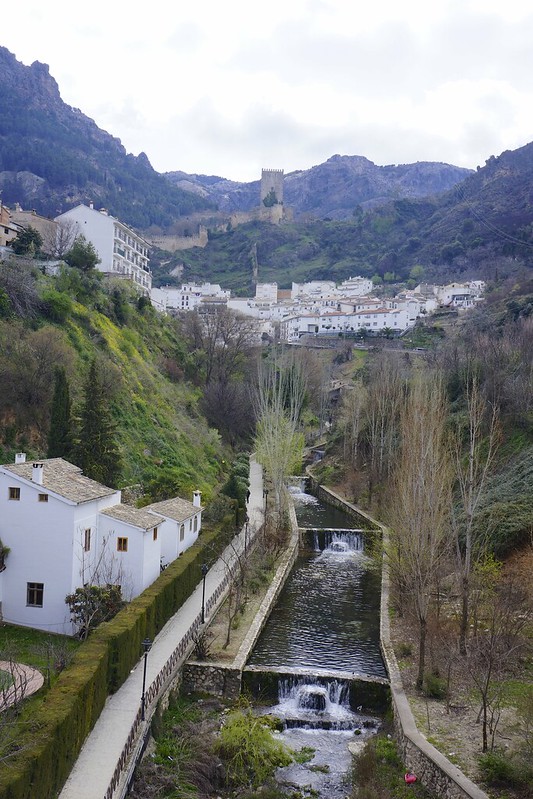
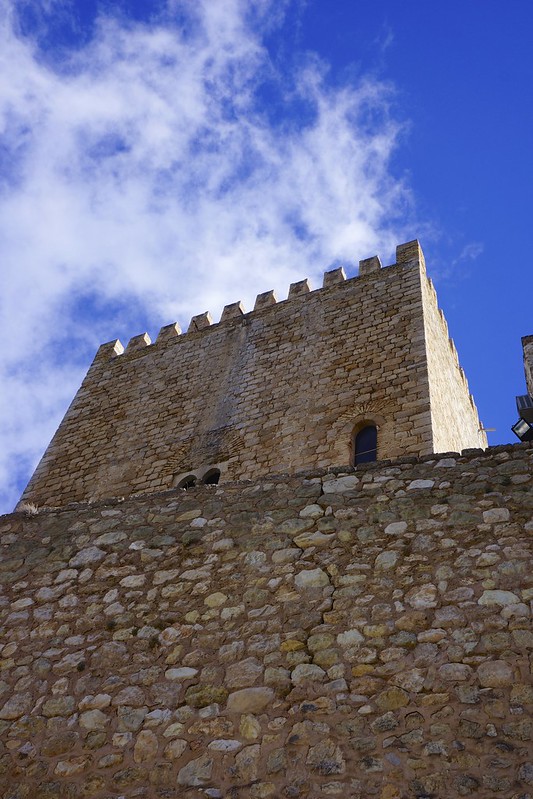
What remains of the castle is only the central portion up on the hilltop.
From Cazorla we are headed to the coast at Mojacar in 335 KM.
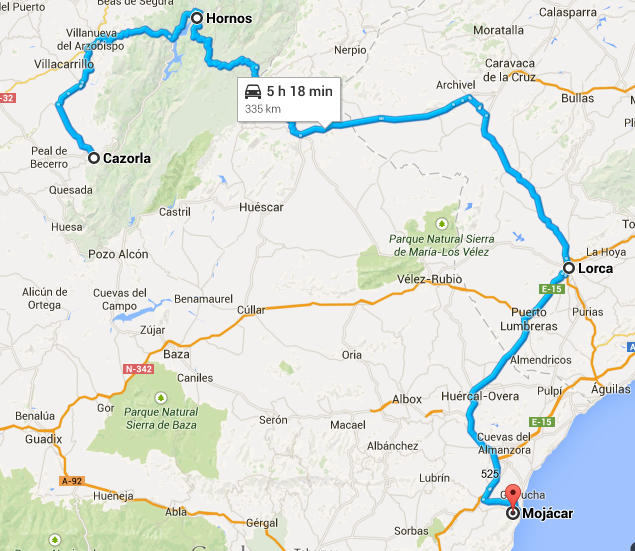
Instead of the direct route we took the scenic one and continued over the mountains and thru the Segura y Las Villas Natural. This is an often narrow and almost deserted mountainous road with two high passes.
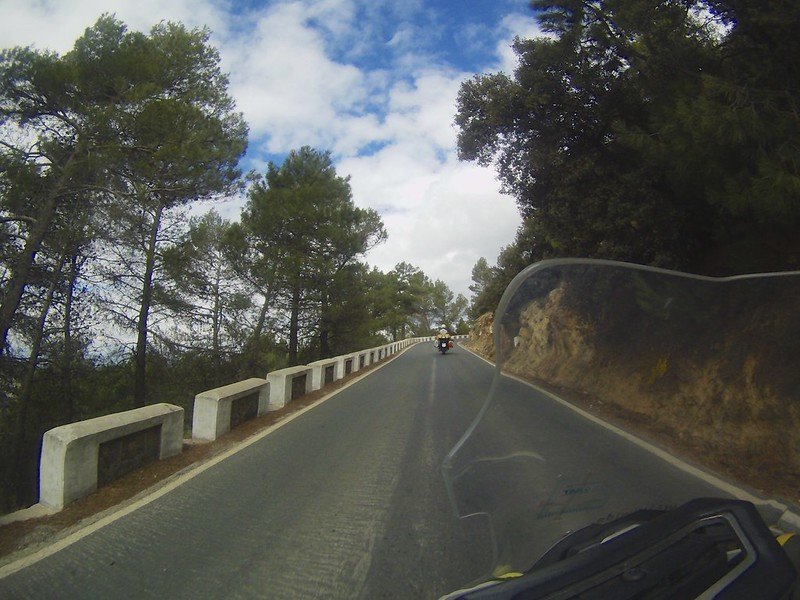
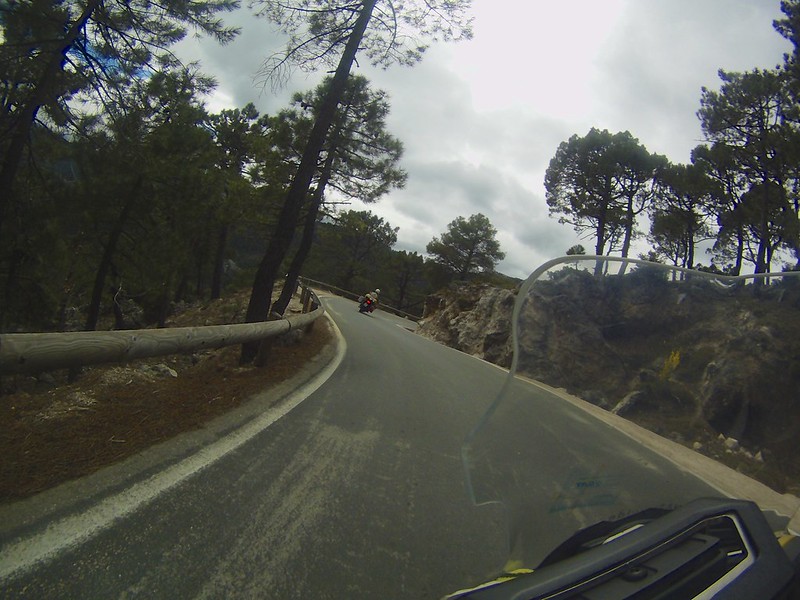

There was one traffic light on the 1 lane road over the dam.
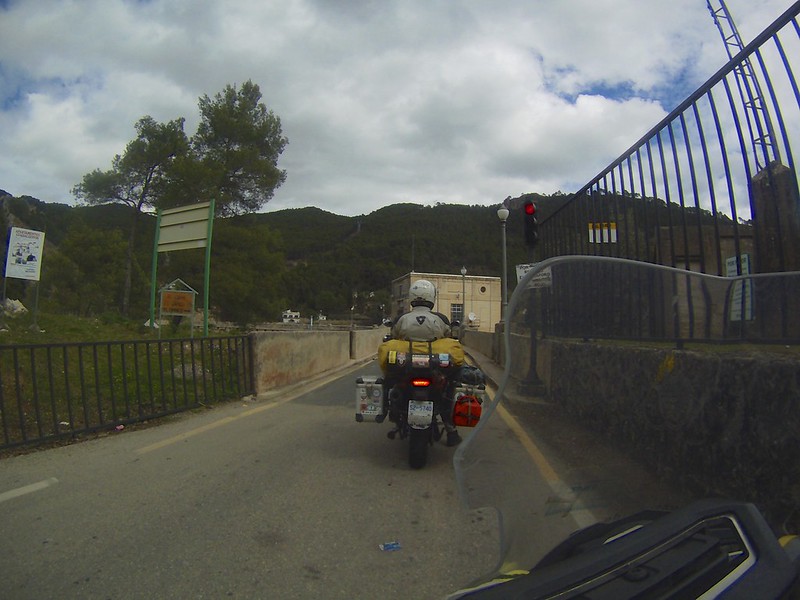
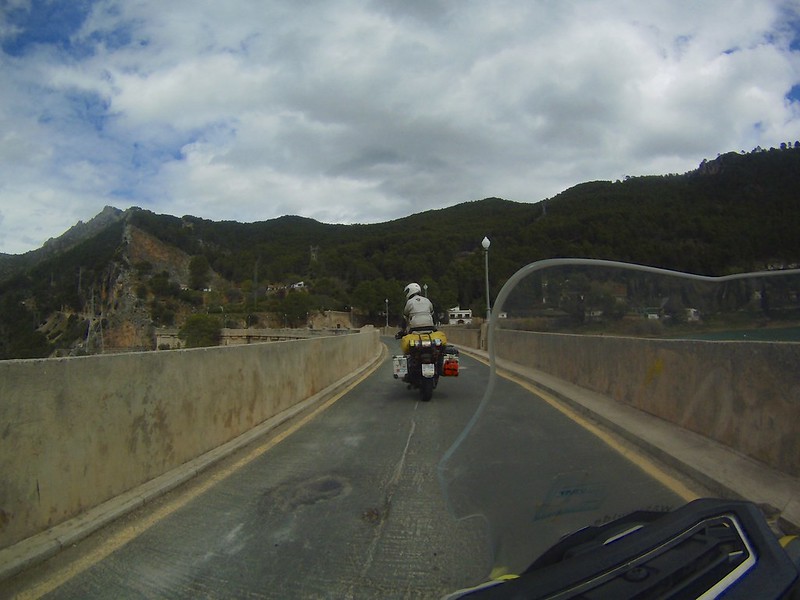
The scenery was great and so was the road.
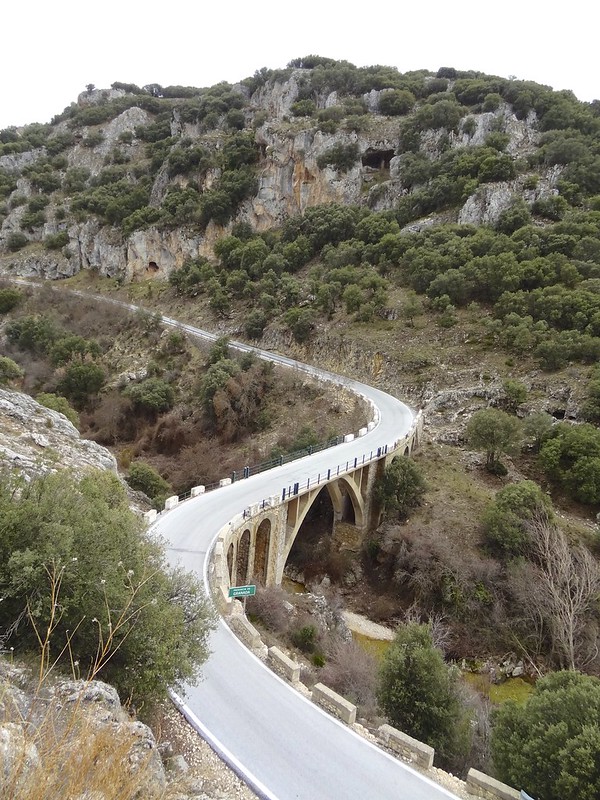
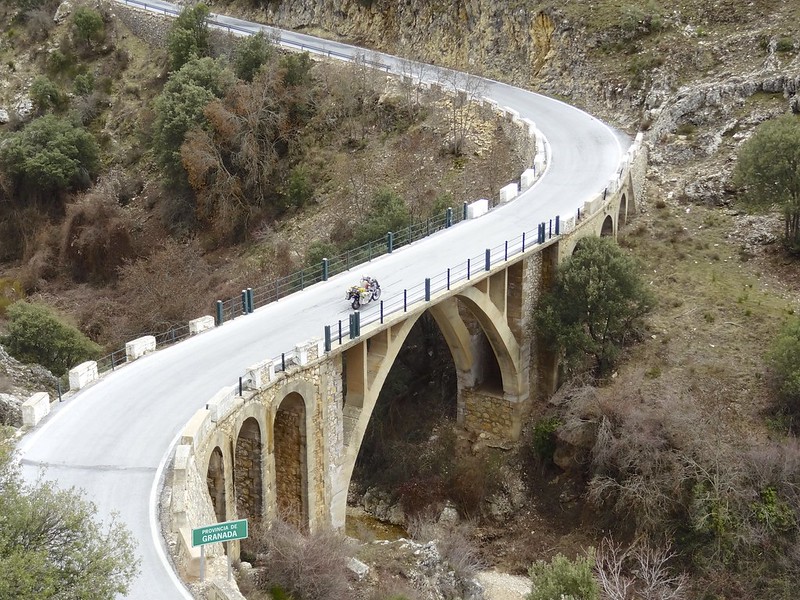
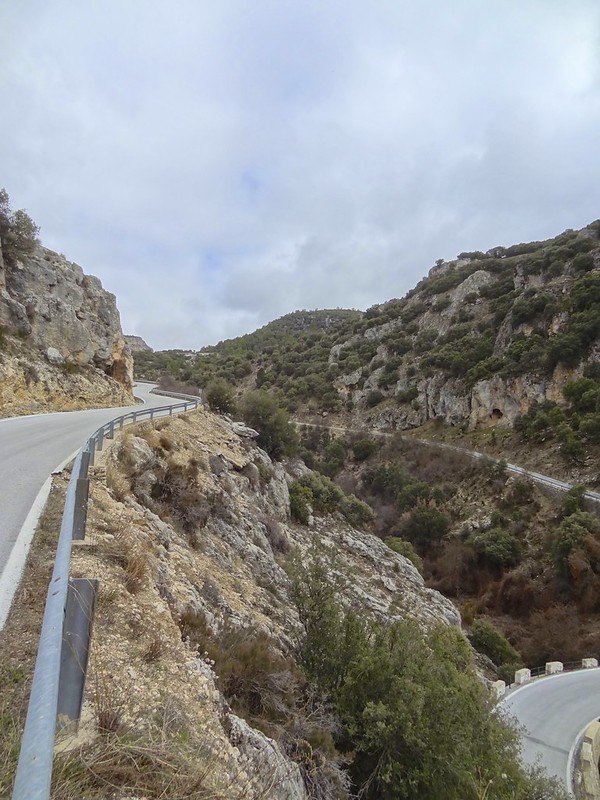
The temperature was dropping quickly despite the sunshine over the first pas, but there were patches of snow on the roadside.
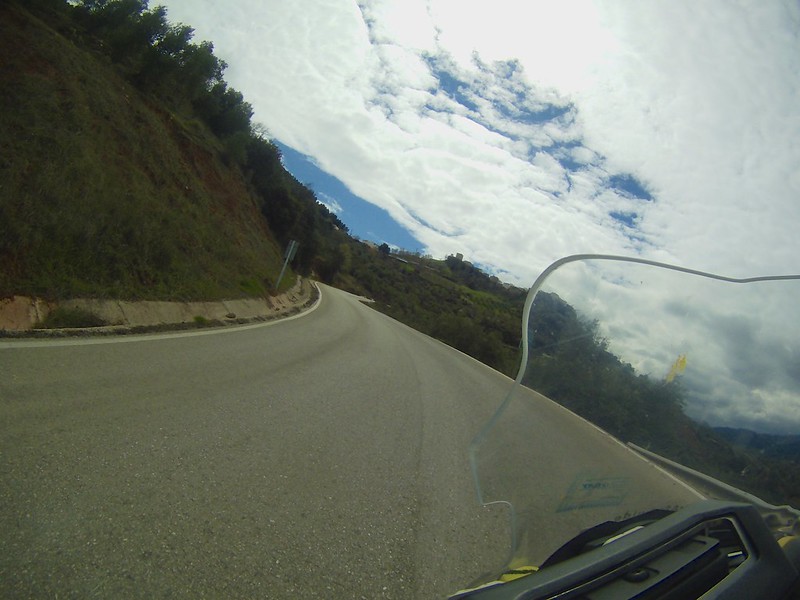
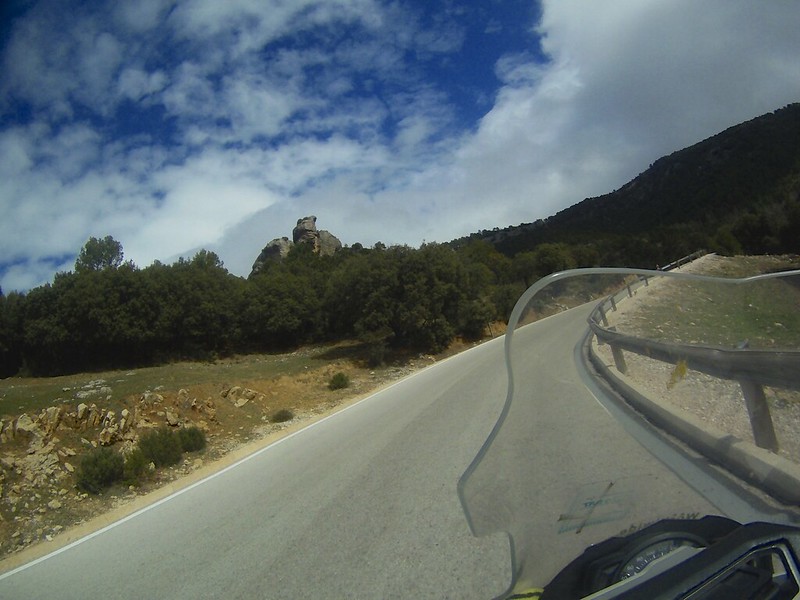
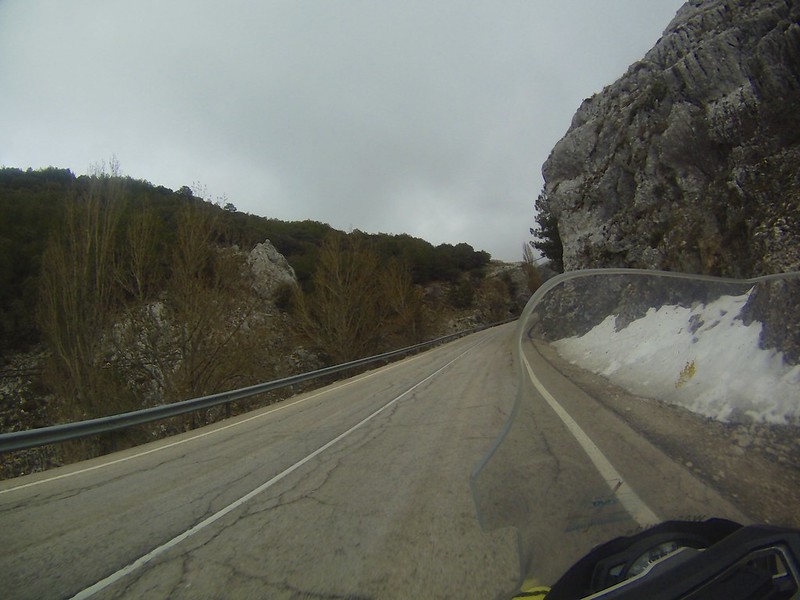

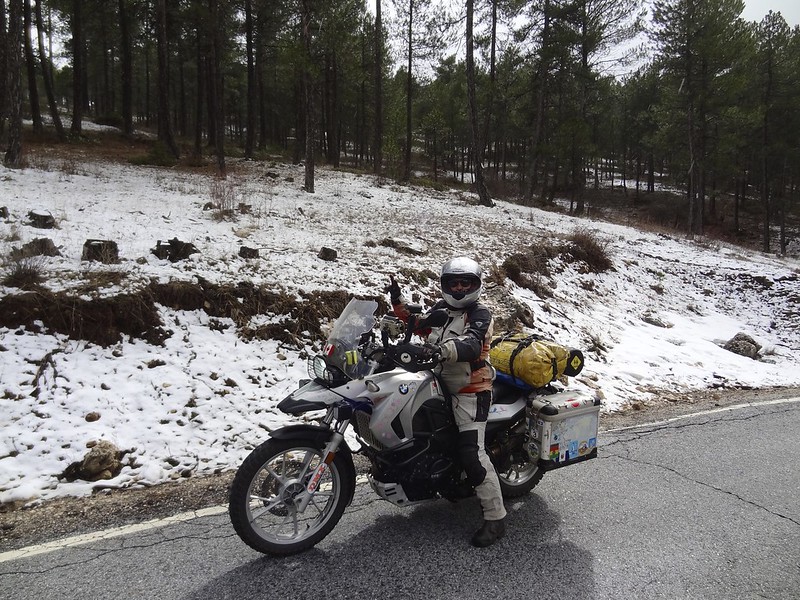
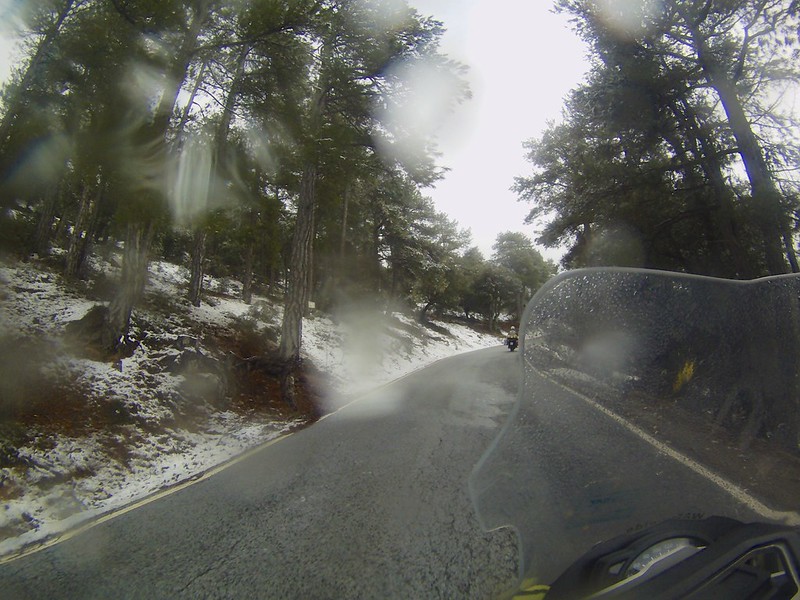
By the time we made it to the second crossing the weather had changed for the colder and wetter. There was wet snow falling, but the road was clear. It was pretty chilly at 1 degree!

We arrived in Mojacar after 300 km chilled and very hungry. Different groups since around 2000 BC have inhabited this place. This included Phoenician traders, Carthaginians, Greeks, and North African Islamic Moors. Ultimately the Christian Spanish won it in battle in 1488. It is perched on the hilltop in a strategic location and is a mass of narrow streets lined with white wash buildings.
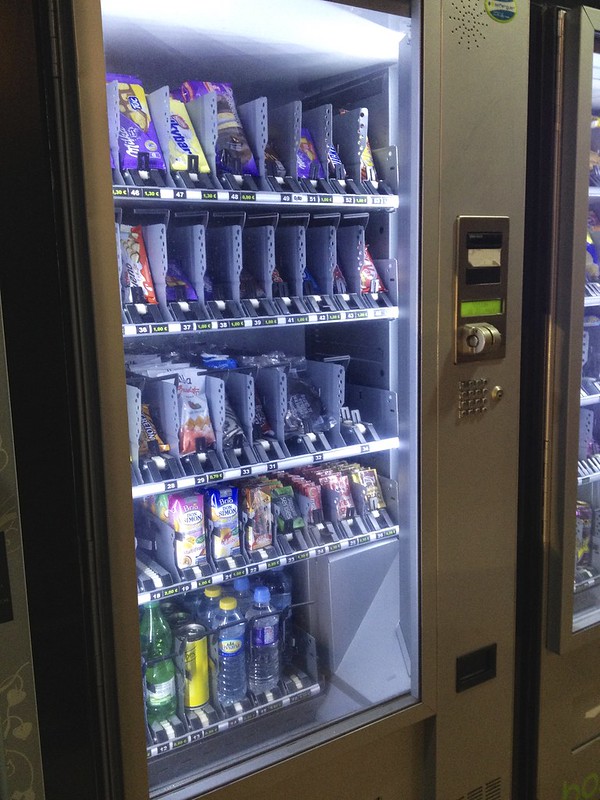
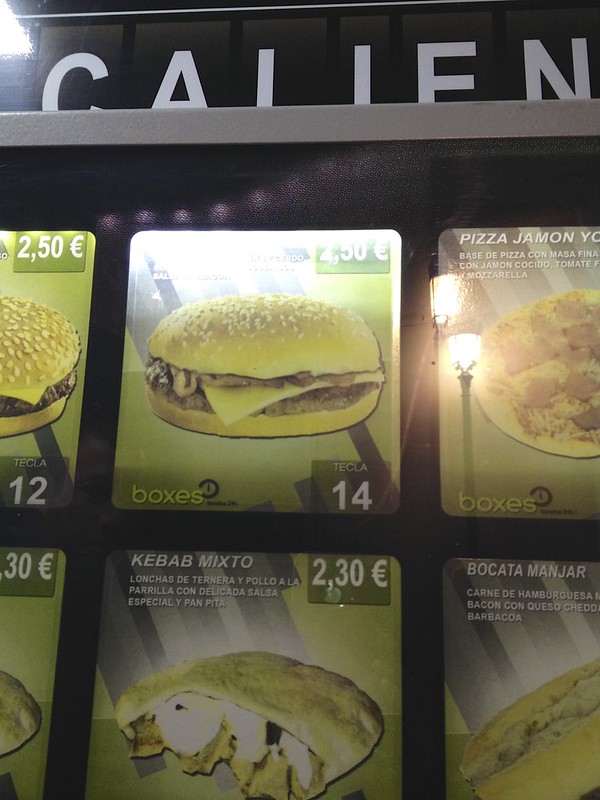
We had to do a bit of looking for an open restaurant. Luckily we found one and did not need to eat from these vending machines, which strangely were just along the side of the road.

We kept going up the hill to the main square and finally found an open pizza place that was pretty good actually. There is a water fountain here that was mentioned in ancient Arab writings as the reason for locating the village here. It has been reformed a number of times, but for centuries has been the social and economic hub of the town.
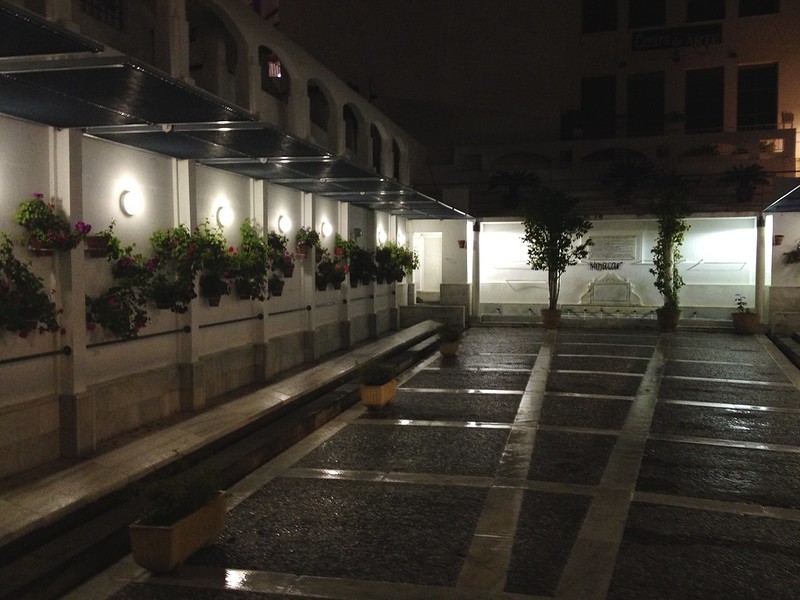

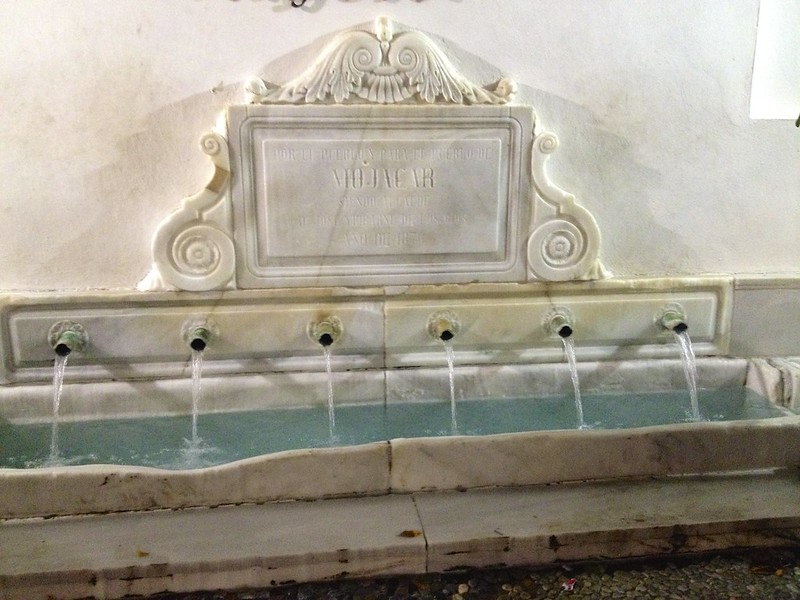
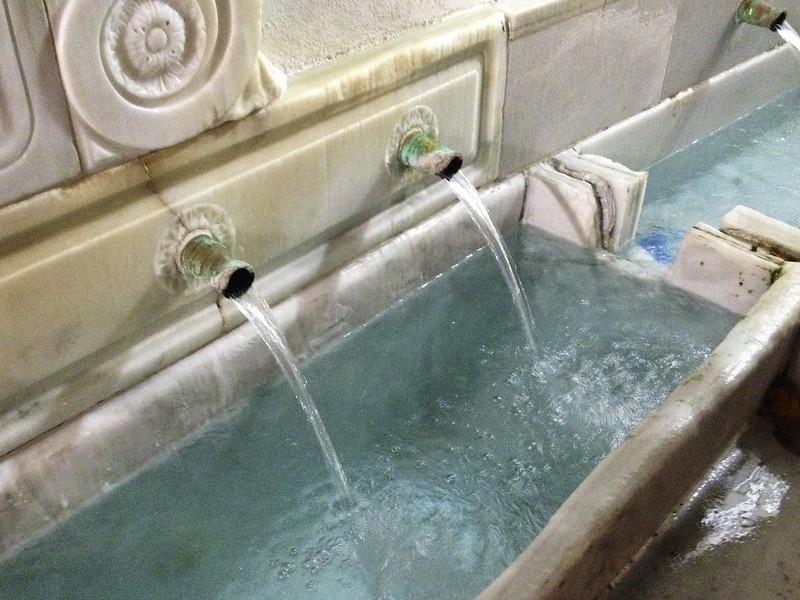
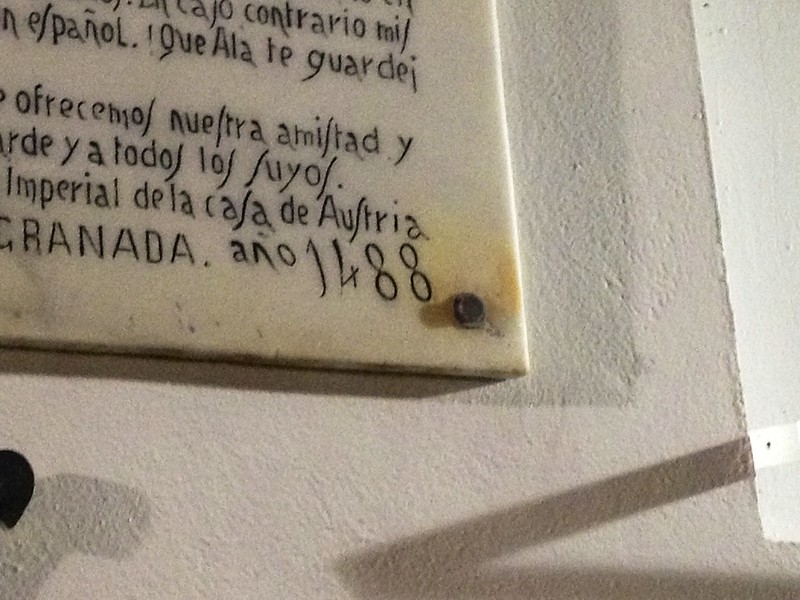
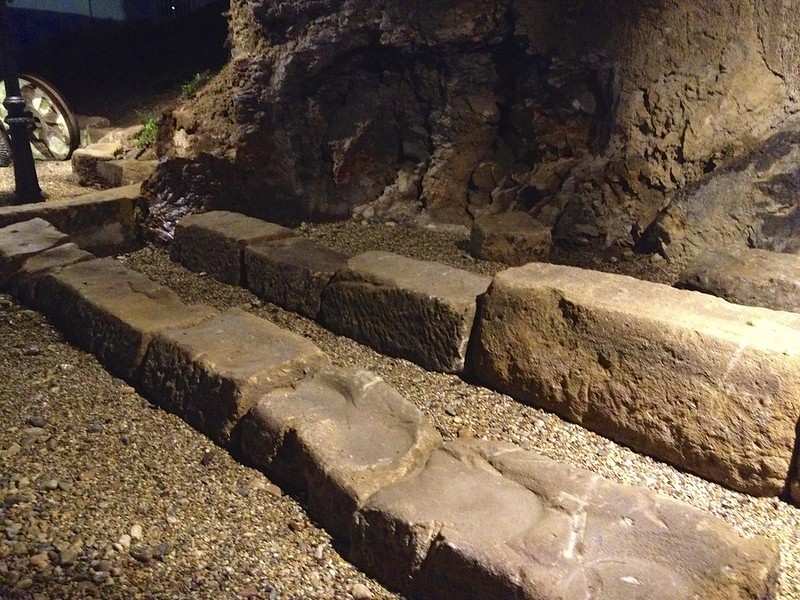
These are the washing stones near the well and have been used for centuries.